
How to transport Non-Running Vehicles Safely in the UK
- Valaire MFA
- Apr 7
- 4 min read

Updated: Jun 2
Moving a non-running vehicle can feel stressful, especially if your car won’t start or has been involved in a breakdown or accident. Whether you need to move a vehicle from your home, roadside, auction or garage, it’s important to do it safely and correctly.
In this guide, we’ll explain the safest ways to move a non-running vehicle, when to call a professional vehicle recovery service, and how to ensure your vehicle is transported securely from start to finish.

What Is a Non-Running Vehicle?
A non-running vehicle is any car or van that cannot be driven under its own power. This may be due to:
Mechanical failure
Flat or dead battery
Engine issues
Accident damage
Lack of fuel
Electrical faults
In these situations, attempting to move the vehicle without the right equipment can be dangerous and may cause further damage.
Can You Move a Non-Running Vehicle Yourself?
In some cases, it may be possible to move a non-running vehicle yourself, but it’s not always recommended.
You may be able to move it if:
The vehicle can roll freely
You have access to proper towing equipment
The distance is very short
However, there are risks involved, including:
Damage to the vehicle
Safety hazards on the road
Legal requirements for towing
For most situations, using a professional vehicle recovery service is the safest and most reliable option.
Ways to Move a Non-Running Vehicle
1. Flatbed Vehicle Transport (Recommended)
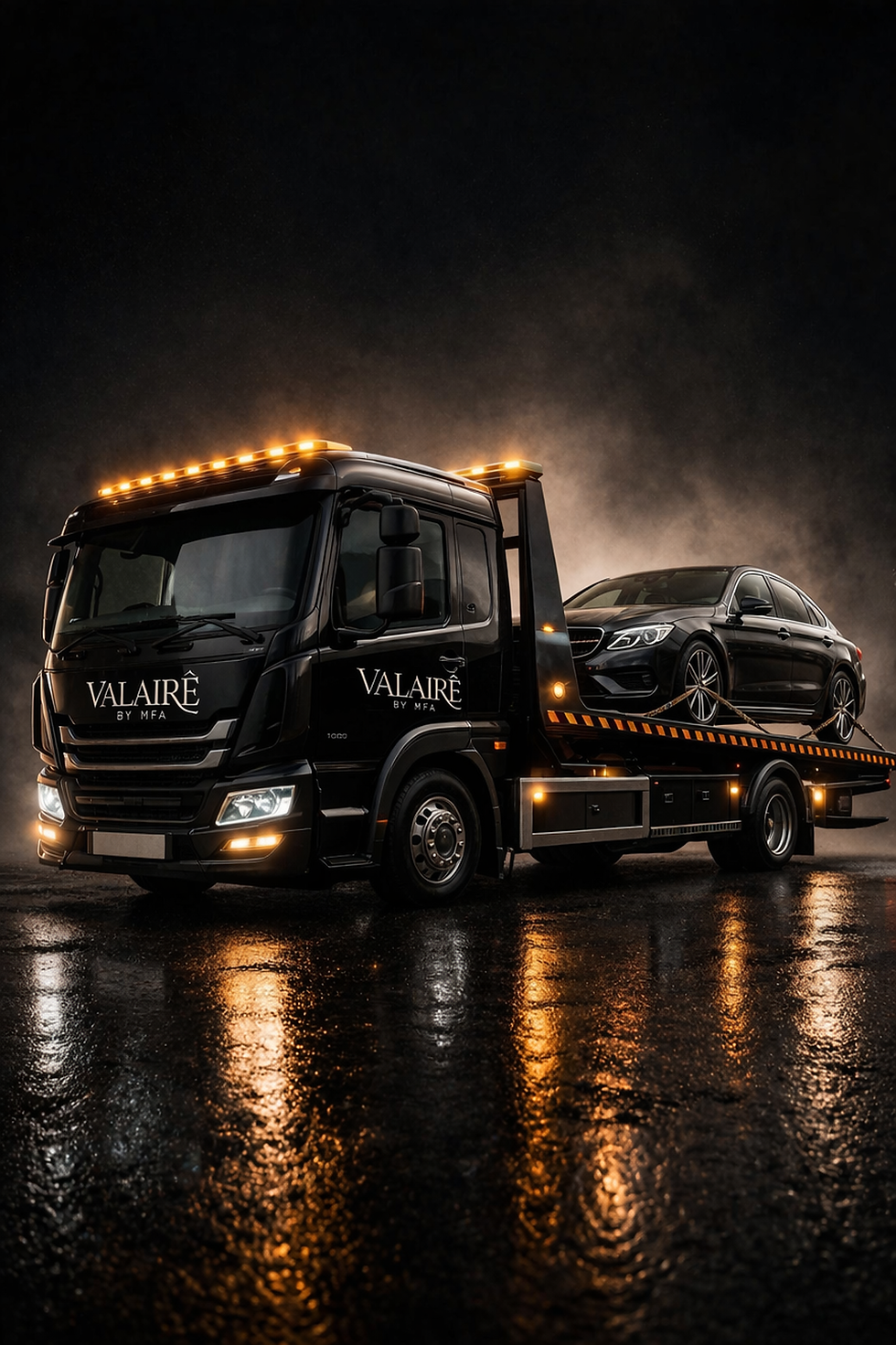
Flatbed transport is the safest method for moving a non-running vehicle. The vehicle is fully lifted off the ground and securely loaded onto a recovery truck.
Benefits:
No additional wear or damage
Suitable for all vehicle types
Ideal for long-distance transport
Fully secure and stable
This is the most commonly used method by professional recovery companies.
2. Towing with a Tow Bar or Rope
Towing is sometimes used for short distances, but it requires:
A second vehicle
Proper towing equipment
Knowledge of towing laws
Important: Not all vehicles can be towed safely, especially automatic cars or vehicles with certain mechanical issues.
3. Using Vehicle Dollies or Skates
Vehicle dollies can be used to move a car short distances, such as:
Out of a driveway
Into a garage
Around a property
This method is not suitable for road transport.
When Should You Call a Vehicle Recovery Service?
You should contact a professional vehicle recovery service if:
Your car won’t start or move
The vehicle has been in an accident
You need long-distance transport
The vehicle is at an auction or dealership
You want to avoid damage or risk
A professional service ensures your vehicle is handled safely, efficiently and with the correct equipment.
Is It Safe to Transport a Non-Running Vehicle?
Yes, when handled by professionals.
A reliable recovery service will:
Use specialist equipment such as flatbed trucks
Secure the vehicle properly
Ensure safe loading and unloading
Provide fully insured transport
This gives you complete peace of mind throughout the process.
Moving a Non-Running Vehicle from an Auction or Purchase
If you’ve bought a vehicle from an auction or private seller, it may not always be roadworthy.
In this case, a vehicle transport service can:
Collect the vehicle directly
Transport it to your home or garage
Handle all logistics for you
This is one of the most common uses for vehicle transport services across the UK.
Moving a non-running vehicle doesn’t have to be complicated. While there are a few methods available, the safest and most reliable option is to use a professional vehicle recovery service.
Whether you’re dealing with a breakdown, purchasing a vehicle, or need long-distance transport, having the right support ensures your vehicle is moved safely and efficiently.
At Valaire by MFA Recovery, we provide secure and reliable vehicle recovery and transport across the UK, including non-running vehicles. Contact our team today for a fast, transparent quote and professional support when you need it most.
Frequently Asked Questions
How do you transport a non-running vehicle?
The safest way to transport a non-running vehicle is using a flatbed recovery truck. This method keeps all four wheels off the road and prevents additional wear or damage during transport.
Can a car that won't start be transported?
Yes. Professional vehicle recovery companies can transport cars that won't start using specialist equipment such as winches, flatbed trucks, and recovery vehicles designed for non-running vehicles.
Is it legal to tow a non-running vehicle?
Towing a non-running vehicle is legal in certain circumstances, but strict rules apply regarding towing equipment, lighting, insurance, and road safety. For most situations, professional vehicle transport is the safest option.
How much does it cost to move a non-running vehicle?
The cost depends on factors such as the distance, vehicle size, location, and accessibility. Most recovery companies can provide a quick quote based on your specific requirements.
Can you transport a vehicle purchased from an auction?
Yes. Vehicle recovery and transport services regularly collect vehicles directly from auctions and deliver them to homes, garages, dealerships, or storage facilities across the UK.
What vehicles can be transported by a recovery service?
Most recovery services can transport cars, vans, 4x4s, classic vehicles, electric vehicles, and accident-damaged vehicles, even if they are not roadworthy.
Will my vehicle be insured during transport?
Reputable vehicle recovery companies carry appropriate insurance to protect your vehicle while it is being loaded, transported, and unloaded. Always check with your chosen provider for details of their cover.
When should I call a vehicle recovery company?
You should contact a vehicle recovery company if your vehicle has broken down, been involved in an accident, won't start, or needs transporting over a long distance without being driven.
Comments